Early Warning Signs Your Sewer Drain is in Trouble
Talking about sewage isn't the most fun you can have on a Monday...
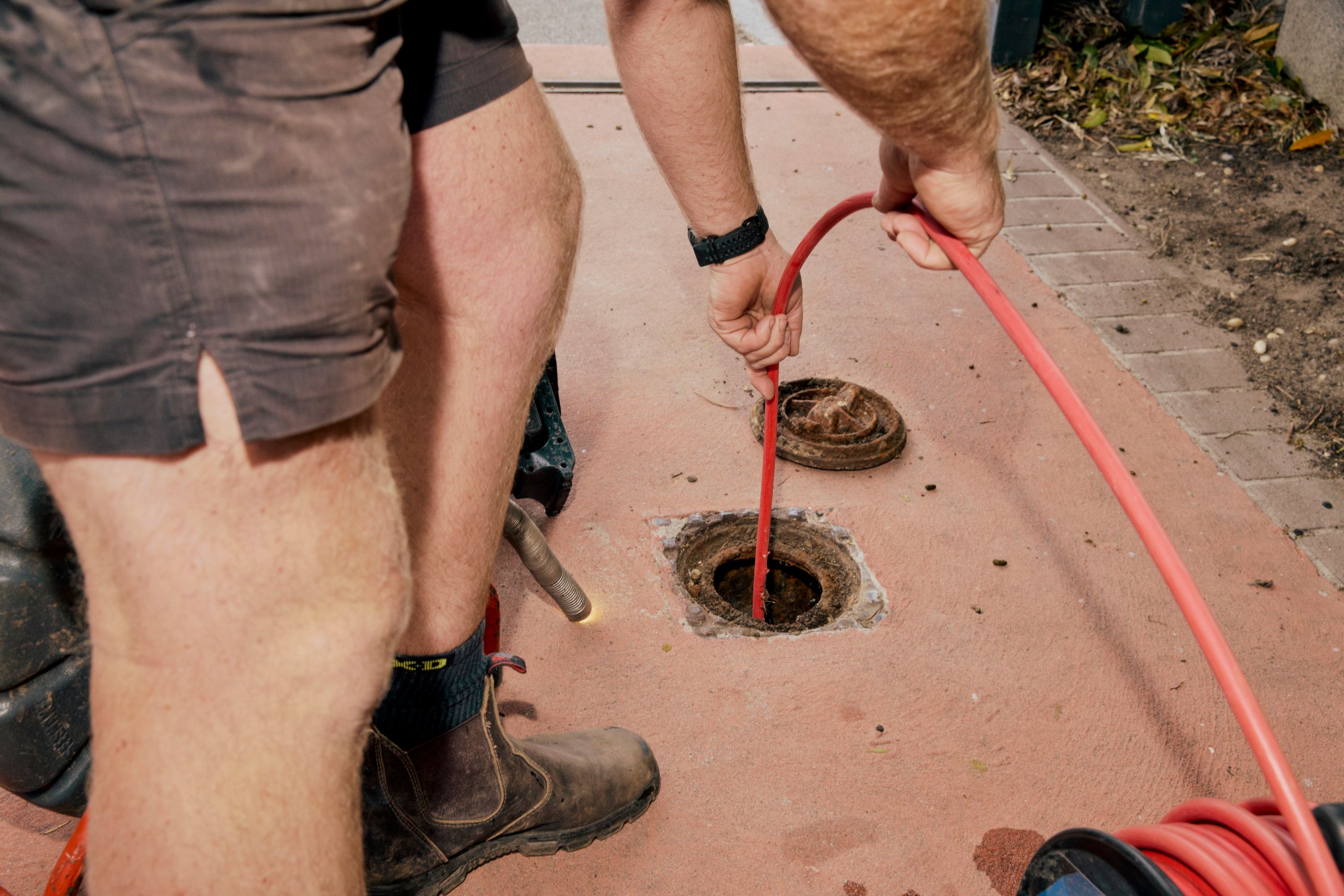
If you own property, understanding when your sewer line's starting to chuck a wobbly could save you thousands of dollars and a massive headache.
Where does the problem actually start?
Everything on your side of the property boundary is your problem. That means all the pipes from your house up to where they connect with the council's main line are on you.
In most Australian cities, you can usually check your Sewerage Service Diagram online. This shows you exactly where your pipes run and where your responsibility ends. Knowing this before you ring a plumber can save you from paying someone to fix something that's actually the water authority's job.
The early warnings
The actual signs usually start off pretty subtle, and most people ignore them until it's too late:
- If you've noticed the water level in your toilet bowl sitting lower than usual, that's your first red flag. It means something's messing with the pressure in your system, stopping the bowl from holding its normal amount of water. Not dramatic, but definitely worth paying attention to.
- That weird gurgling or bubbling sound you hear after flushing the loo or draining the sink is not normal. That's air getting pushed backwards through your pipes because water's struggling to get past a blockage.
- Maybe your kitchen sink's draining slower than it used to, or you're standing in ankle-deep water every time you have a shower. If you're reaching for the plunger more often than usual for one particular fixture, you've got the early stages of a blockage forming.
When things get serious
If you've ignored those early signs, things can escalate pretty quickly.
If your toilet, shower, and laundry tub are all draining slowly at the same time, you're not dealing with a simple hair clog anymore. That means the blockage is in your main sewer line, and you need a professional to take a look.
If you're getting whiffs of sewage or that distinctive rotten egg smell coming from your drains, you've got stagnant wastewater sitting in your pipes. It's not going to magically fix itself, and it's only going to get worse.
Absolute nightmare scenarios
These are the ones that'll have you on the phone to a plumber faster than you can say "emergency callout fee."
When wastewater starts coming back up through your lowest drains (usually the toilet or floor drains on the ground floor), that's game over. Your main line is completely blocked, and you need help immediately.
Seeing puddles of wastewater in your backyard, or water overflowing from that outdoor drain (the gully trap), means you've got a serious problem. It could be a complete blockage or even a cracked pipe underground. Either way, stop using water in the house immediately and get professional help.
What's causing all this drama?
The biggest culprit is often wet wipes, even if the packet says "flushable." Unlike toilet paper, they don't break down; they just accumulate into nasty, solid masses.
Then there's the cooking oil and grease you're pouring down the sink. That stuff cools down in the pipes, solidifies, and acts like glue for everything else, like hair, tissues, and dental floss. Before you know it, you've got a fatberg blocking your pipes.
If you've got an older house with terracotta clay pipes, tree roots are probably having a field day. Species like camphor laurel, figs, and willows are notorious for seeking out even the tiniest crack in your pipes. Once they're in, they grow like crazy and create a massive web that catches everything flowing through.
What to do, what to do
Stop flushing anything except the three Ps: pee, poo, and (toilet) paper. Everything else goes in the bin. Wipe greasy pans with paper towel before washing them. Pour used cooking oil into a container and chuck it in the rubbish.
If you're in an older place, consider getting a plumber to run a camera through your pipes annually. It's a small investment that can spot problems before they become catastrophic.
And for the love of all things holy, check where your sewer pipes run before planting trees. Keep water-loving species at least 5-10 metres away from your lines.
Nobody wants to deal with sewage problems, but catching them early means you're looking at a manageable repair instead of a complete disaster.